The Hidden Cost of Disconnected Systems in Telecom Operations
April 8, 2026
Why fragmented workflows slow down telecom projects
Telecom operations do not fail because teams lack effort. They fail because information gets trapped in the wrong places.
Most organizations operate in demanding conditions where schedules compress, compliance requirements evolve, and workforce coordination stretches across vendors, contractors, and regions. Yet the tools supporting those operations often look like a patchwork.
Hiring happens in one system. Compliance documents live in shared drives. Safety documentation moves through email threads. Field verification is tracked in spreadsheets, texts, or photos that never make it into an auditable record.
Each tool seems manageable on its own. Together, they create friction that slows delivery and increases risk.
Disconnected systems introduce delays in hiring technicians, verifying credentials, completing Job Hazard Analyses, and maintaining audit-ready documentation. When critical information lives across multiple platforms, teams spend more time searching, reconciling, and re-entering data than executing the work.
That is not a documentation problem. It is a structural problem.
The operational problem most companies underestimate
Most organizations believe the risk is missing paperwork. The larger risk is fragmented decision-making.
Field operations produce enormous amounts of data every day: photos, certifications, forms, safety documentation, site updates, and status reports. None of that is inherently complicated.
The breakdown happens when those records are scattered across disconnected tools with no unified operational framework to connect them.
Fragmentation creates predictable failure points:
- Compliance teams cannot verify workforce credentials quickly enough to keep crews moving
- Hiring teams struggle to match technicians to project requirements with confidence
- Safety teams lose visibility into field documentation and site readiness
- Audits become reactive events instead of routine validation
- Project leaders make decisions without a full, current picture
This is where the hidden cost shows up. Not in the price of software licenses, but in delays, rework, and preventable exposure.
Disconnected systems turn routine operations into a relay race where the baton keeps getting dropped.
Why "good intentions" do not fix bad architecture
Teams compensate the only way they can. They build workarounds.
Spreadsheets become systems. Email becomes workflow. Shared folders become compliance repositories. Someone becomes the human router who knows where everything is supposed to live.
It works until it does not.
When pressure spikes, a single missing document can stall a crew. A credential gap can surface after dispatch. A safety record can exist, but not in a place anyone can prove it exists. The operation slows down because the structure cannot support the speed the industry requires.
How Unify brings structure to operational workflows
Unified Systems Intelligence built Unify to solve the structural problems that slow telecom operations.
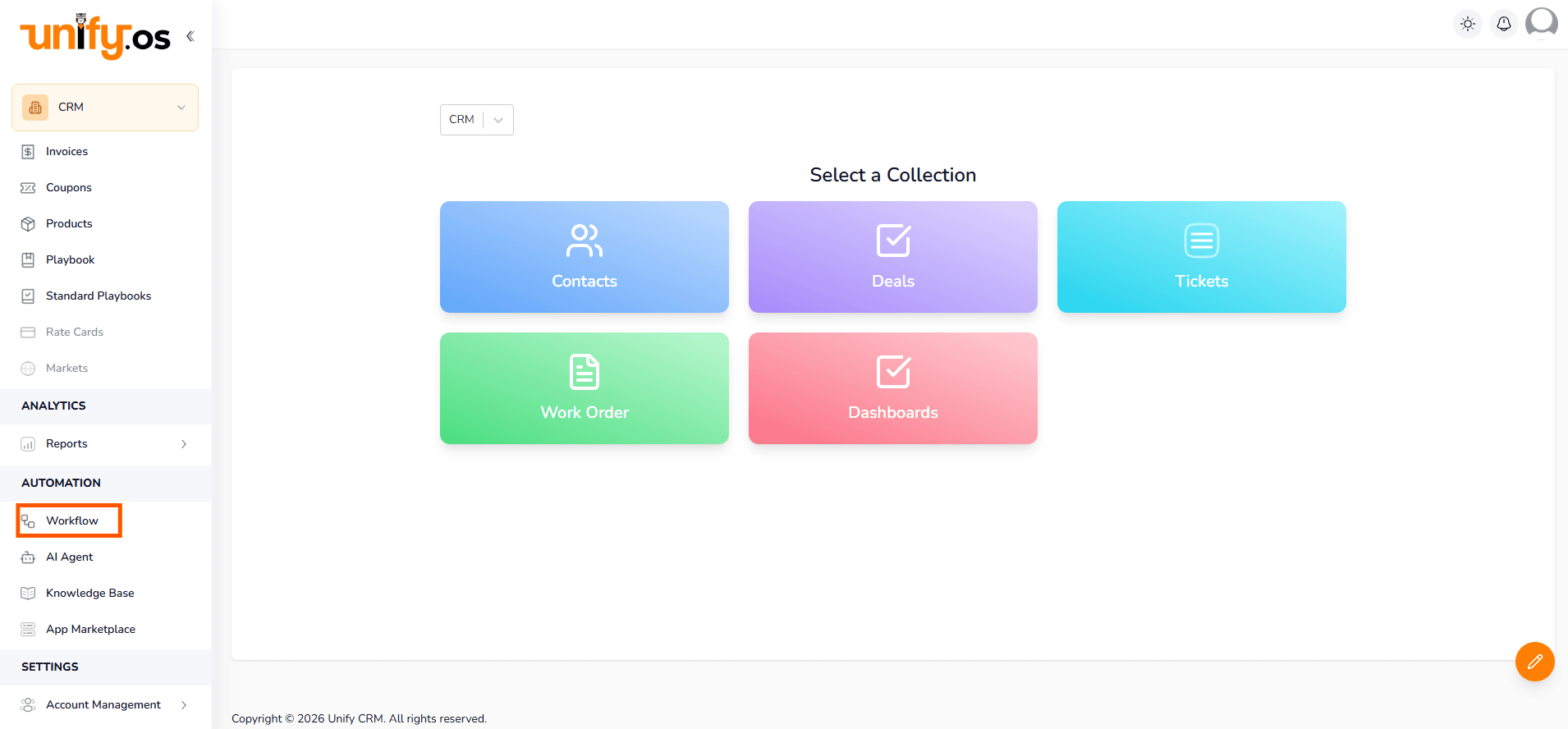
Unify is not a collection of tools. It is an operational framework that connects the full workflow, from hiring to compliance to field execution, without forcing teams to stitch systems together manually.
Within the Unify ecosystem, organizations can:
- Recruit and evaluate technicians using AI-assisted hiring tools
- Validate workforce credentials and certifications before deployment
- Manage Job Hazard Analyses and safety documentation in a consistent process
- Maintain structured compliance records that stay audit-ready
- Deploy intelligent forms with embedded AI assistants to reduce intake errors
- Track workforce readiness across projects, crews, and contractor tiers
The goal is simple: reduce the gap between "we have the information" and "we can act on it."
When systems are unified, information does not just get stored. It stays usable.
AI as operational support, not replacement
AI is not valuable because it is new. It is valuable when it removes friction without removing control.
Within Unify, AI strengthens workflows by:
- Matching resumes to job requirements faster and more consistently
- Flagging credential gaps and missing requirements before dispatch
- Assisting with form completion and reducing unclear submissions
- Structuring field inputs into usable, traceable records
Human expertise remains central. Supervisors, compliance teams, and project managers still make the decisions. AI reduces the administrative load that slows those decisions down.
Used correctly, AI improves visibility, speed, and consistency without disrupting the way operations actually run.
The future of telecom operations is structured
Telecom deployments will only grow more complex. Workforce coordination, safety requirements, and compliance obligations will keep expanding as networks scale.
Organizations relying on fragmented systems will struggle to move at the required pace because their operations will always be in reconciliation mode.
Organizations that adopt structured operational platforms gain a real advantage. They move faster with fewer handoffs, maintain compliance without chaos, and deploy skilled technicians with confidence.
That is the purpose behind Unified Systems Intelligence and the vision behind Unify: bringing structure, clarity, and intelligence to the operational backbone of telecom.